ঔষধের বিস্তারিত বা বিকল্প ঔষধ জানতে ঔষধের নাম দিয়ে সার্চ দিন। যেমন- Napa বা Alatrol বা Amodis
Ezolid 400mg
Tablet
Linezolid ACI Pharmaceuticals
Other Strength:
- Tezolid 200mg/vial
Alternative:
- Zolivox 400mg
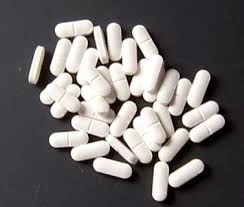 Ezolid
Description
Ezolid®is a preparation of Linezolid which is a synthetic antibacterial agent belonging to the oxazolidinonesclass, which has clinical utility in the treatment of infections caused by aerobic Gram-positive bacteria. Linezolid inhibits bacterial protein synthesis through a mechanism of action different from that of other antibacterial agents; therefore, cross resistance between Linezolid and other classes of antibiotics is unlikely. Linezolid binds to a site on the bacterial 23S ribosomal RNA of the 50S subunit and prevents the formation of a functional 70S initiation complex, which is an essential component of the bacterial translation process.
Indications
Ezolid®is indicated for the treatment of:•Nosocomial pneumonia•Community-acquired pneumonia•Complicated skin and skin structure infection including diabetic foot infections, without concomitant osteomyelitis•Uncomplicated skin and skin structure infections•Vancomycin-resistant Enterococcus faecium infections
Dosage & administration
Dosage, Route & Frequency of administrationInfectionPediatricPatients(Birth through11 years of age)Adults &Adolescents(12 years and older)Recommendedduration oftreatment(consecutive days)Nosocomial pneumonia10 mg/kg oralevery 8 hours600 mg oral every12 hours10 to 14Community-acquiredpneumonia, includingconcurrent bacteremiaComplicated skin andSkin structure infectionsVancomycin-resistantEnterococcus faeciuminfections, includingconcurrent bacteremia10 mg/kg oralevery 8 hours600 mg oral every12 hours14 to 28Uncomplicated skinand skin structureinfections<5 years: 10 mg/kgoral every 8 hours5-11 years: 10 mg/kgoral every 12 hoursAdults: 400 mg oralevery 12 hoursAdolescents: 600 mgoral every 12 hours14 to 28Elderly: The pharmacokinetics of Linezolid are not significantly altered in elderly patients (65 years or older). Therefore, dose adjustment for geriatric patients is not necessary.Patients with renal impairment: No dose adjustment is necessary for patients with renal impairment.Patients with hepatic impairment: No dose adjustment is necessary for patients with mild-to-moderate hepatic impairment. The pharmacokinetics of Linezolid in patients with severe hepatic impairment have not been evaluated.
Use in pregnancy and lactation
Pregnancy:There are no adequate and well-controlledstudies in pregnant women. Linezolid should be used during pregnancy only if the potential benefit justifies the potential risk to the fetus.Lactation: It is not known whether Linezolid is excreted in human milk. Because many drugs are excreted in human milk, caution should be exercised when Linezolid is administered to a nursing woman.
Side effects
Common side effects include: diarrhea, vomiting, headache, nausea, anemia, eosinophilia, taste disturbances.
ContraindicationsEzolid®is contraindicated for the patients with known hypersensitivity to Linezolid or any of its components.
Precautions
Complete blood counts should be monitored weekly in patients who receive Linezolid, particularly in those who receive Linezolid for longer than two weeks, those with pre-existing myelosuppression or those with a chronic infection who have received previous or concomitant antibiotic therapy. If patients experience symptoms of visual impairment, such as changes in visual acuity, changes in color vision, blurred vision,or visual field defect, prompt ophthalmic evaluation is recommended. Linezolid is not approved and should not be used for the treatment of patients with catheter-related bloodstream infections or catheter-site infections. Careful medical history is necessary since Clostridium difficile associated Diarrhea (CDAD) has been reported to occur over two months after antibiotic administration. If CDAD is suspected or confirmed, ongoing antibiotic use not directed against C. difficile may need to be discontinued. Unless patients are monitored for potential increases in blood pressure, Linezolid should not be administered to patients with uncontrolled hypertension, pheochromocytoma, thyrotoxicosis and/or patients taking medications: sympathomimetic agents, vasopressive agents, dopaminergic agents. Patients who develop recurrent nausea or vomiting, unexplained acidosis, or low bicarbonate level while receiving Linezolid should receive immediate medical evaluation. If hypoglycemia occurs, a decrease in the dose of insulin or oral hypoglycemic agent, or discontinuation of oral hypoglycemic agent, insulin, or Linezolid may be required.
Drug interactions
Linezolid is a reversible, nonselective inhibitor of monoamine oxidase. Therefore, Linezolid has the potential for interaction with adrenergic and serotonergic agents. Some individuals receiving Linezolid may experience a reversible enhancement of the pressor response to indirect acting sympathomimetic agents, vasopressor or dopaminergic agents. Unless patients are carefully observed for signs and/or symptoms of serotonin syndrome, Linezolid should not be administered to patients with carcinoid syndrome and/or patients taking any of the following medications: serotonin re-uptake inhibitors, tricyclic antidepressants, serotonin 5-HT1 receptor agonists (triptans), meperidine or buspirone.
Overdose
In the event of over dosage, supportive care is advised, with maintenance of glomerular filtration. Hemodialysis may facilitate more rapid elimination of Linezolid.Pharmaceutical precautionsStore in a cool and dry place protected from light.
Presentation
Ezolid®400 tablet: Each coated tablet contains Linezolid INN 400 mg.
Ezolid®600 tablet: Each coated tablet contains Linezolid INN 600 mg.
Packaging
Ezolid®400 tablet: Cartonof 10 tablets in blister pack.
Ezolid®600 tablet: Carton of 10 tablets in blister pack.
এই পাতাটি ২৪৪ বার দেখা হয়েছে