ঔষধের বিস্তারিত বা বিকল্প ঔষধ জানতে ঔষধের নাম দিয়ে সার্চ দিন। যেমন- Napa বা Alatrol বা Amodis
Artigo 20mg+40mg
Tablet
Cinnarizine + Dimenhydrinate ACI Pharmaceuticals
Other Strength:
Alternative:
- Cinaron® Plus 20mg+40mg
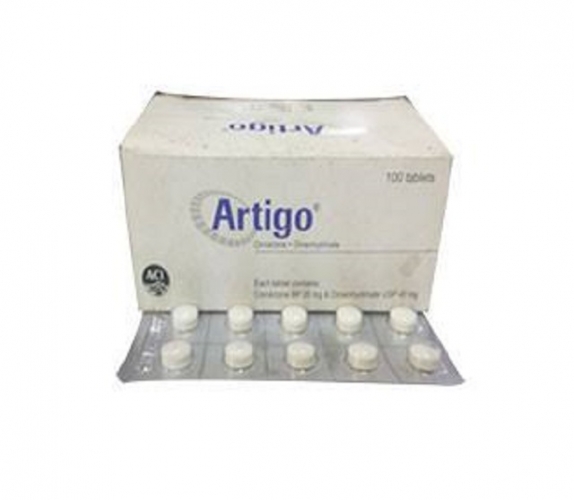 Artigo
Description
Artigo®is a combination of Cinnarizine and Dimenhydrinate.Cinnarizine acts predominantly on the peripheral vestibular system and acts mainly as a vestibular sedative through inhibition of the calcium influx into the vestibular sensory cells. On the other hand Dimenhydrinate acts predominantly on the central vestibular system. The substance exhibits anti-emetic and antivertiginous effects through influencing the chemoreceptor trigger zone in the region of the 4thventricle.
Indication and usage
Artigo® is indicated for the treatment of vertigo symptoms of various origins.
Dose and administration
Adults:
1Artigo®tablet three times daily after meals
Children andadolescents under the age of 18 years:
Not recommended
Elderly:
Dosage same as for adults
Patients with renal impairment:
Cinnarizine, Dimenhydrinatecombinationshould be used with caution in patients with mild to moderate renal impairment. Itshould not be used by patients witha creatinine clearance of <25ml/min (severe renal impairment).
Patients with hepatic impairment:
No studies in patients with hepatic impairment are available. Cinnarizine, Dimenhydrinatecombinationshould not be used by patients with severe hepatic impairment.
Use in pregnancy and lactation
The safety of Cinnarizine, Dimenhydrinatecombinationin pregnancy has not been established. Dimenhydrinate may have an oxytocic effect and may shorten labour. This combination should not be used during pregnancy. Dimenhydrinate and Cinnarizine are excreted in breast milk. Thus this combination should not be taken by lactating women.
Precautions
Cinnarizine, Dimenhydrinatecombination may cause drowsiness, especially at the start of treatment. Patients affected in this way should not drive or operate machinery. This combination does not reduce blood pressure significantly; however, it should be used with caution in hypotensive patients. Cinnarizine, Dimenhydrinatecombination should be usedwith caution in patients with conditions that might be aggravated by anticholinergic therapy, e.g. raised intra-ocular pressure, pyloro-duodenal obstruction, prostatic hypertrophy, hypertension, hyperthyroidism or severe coronary heart disease. Caution should be exercised when administering thiscombination to patients with Parkinson’s disease.
Side effects
Commonside-effects includesomnolence and dry mouth. These reactions are usually mild and disappear within a few days even if treatment is continued. Following adverse reactions may also occurwith Dimenhydrinate and Cinnarizine:Dimenhydrinate: Paradoxical excitability (especially in children), worsening of an existing angle-closure glaucoma and reversible agranulocytosis.Cinnarizine: Constipation,weight gain, chest tightness, cholestatic jaundice, extrapyramidal symptoms, lupuslike skin reactions, lichen planus.
Drug interactions
The anticholinergic and sedative effects of Cinnarizine, Dimenhydrinatecombination may be potentiated by monoamineoxidase inhibitors. In common with other antihistamines, Cinnarizine&Dimenhydrinatecombinationmay potentiate the sedative effects of CNS depressants including alcohol, barbiturates, narcotic analgesics and tranquillizers. Patients should be advised toavoid alcoholic drinks. This combinationmay also enhance the effects of antihypertensives, ephedrine and anticholinergics such as atropine and tricyclic antidepressants.Concomitant administration of medicines that prolong the QT interval of the ECG (such as Class Ia and Class III anti-arrhythmics) should be avoided.
Contraindications
Diphenhydramine is completely excreted renally, and Cinnarizine, Dimenhydrinatecombination should not be used by patients with a creatinine clearance of ≤25 ml/min (severerenal impairment).Since both Cinnarizine and Dimenhydrinateare extensively metabolized by hepatic cytochrome P450 enzymes, the plasma concentrations of the unchanged drugs and their half-lives will increase in patients with severe hepatic impairment. Thisshould therefore not be used by patients with severe hepatic impairment. Cinnarizine,Dimenhydrinatecombinationis contra-indicated in patients with known hypersensitivity to the active substances, diphenhydramine or other antihistamines of similar structure or to any of the excipients. This should not be used in patients with angle-closure glaucoma, convulsions, suspicion of raised intracranial pressure, alcohol abuse or urinaryretention due to urethroprostatic disorders.
Overdose
Symptoms of overdosage with Cinnarizine, Dimenhydrinatecombinationinclude drowsiness, dizziness and ataxia with anticholinergic effects such as dry mouth, flushing of the face, dilated pupils, tachycardia, pyrexia, headache and urinary retention. Convulsions, hallucinations, excitement, respiratory depression, hypertension, tremor and coma may occur, particularly in cases of massive overdosage.General supportive measures should be used to treat respiratory insufficiency or circulatory failure. Gastric lavage with isotonicsodium chloride solution is recommended. Cramp-like symptoms may be controlled by careful application of a short-acting barbiturate. In cases of marked centralanticholinergic effects, physostigmine (after physostigmine test) should be administered slowlyintravenously (or, if necessary, intramuscularly): 0.03 mg/kg body weight (adults max. 2 mg, children max. 0.5 mg). Sufficient elimination can be achieved by means of haemoperfusion using activated charcoal.
Pharmaceutical precautions
Store in a cool and dry place. Protect from light.
Presentation
Artigo®tablet: Each tablet contains Cinnarizine BP 20 mg & Dimenhydrinate USP 40 mg.
Package quantities
Artigo®tablet:Carton of 50 tablets in blisterpack.
এই পাতাটি ৪৫৬ বার দেখা হয়েছে